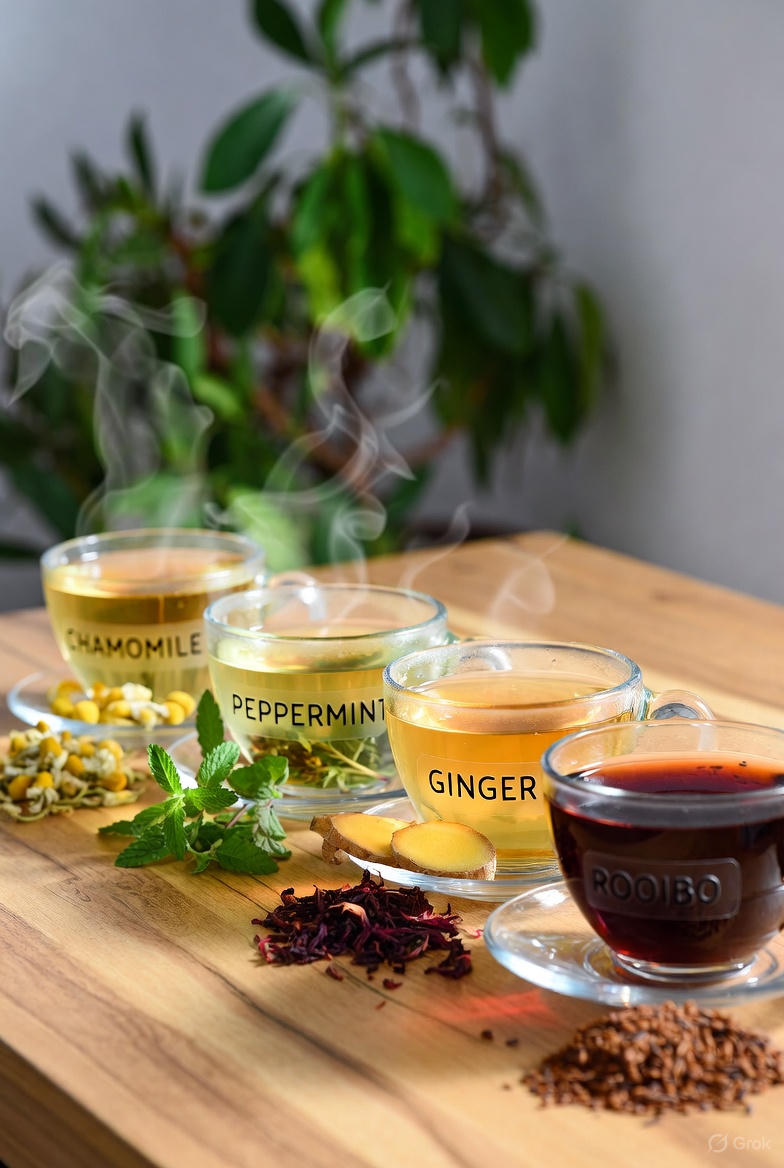
Introduction to Herbal Tea Benefits
Herbal teas have been used for centuries across cultures as natural remedies for various health concerns. Unlike traditional teas (black, green, white), herbal teas are made from dried fruits, flowers, spices, or herbs and contain no caffeine. They offer a gentle, natural way to support your body's wellness throughout the day.
Dr. Sebi often emphasized the importance of herbal infusions for supporting the body's natural alkaline balance and aiding in gentle detoxification.
1. Chamomile Tea: The Calming Companion
Best for: Relaxation, sleep support, digestive comfort
Chamomile is renowned for its calming properties, making it perfect for evening relaxation or stressful days. The tea contains apigenin, an antioxidant that binds to certain receptors in your brain that may promote sleepiness and reduce insomnia.
2. Peppermint Tea: The Digestive Aid
Best for: Digestion, headache relief, mental clarity
Peppermint tea is excellent for digestive issues including bloating, gas, and indigestion. The menthol in peppermint acts as a natural antispasmodic, helping to relax the muscles of the digestive tract.
3. Ginger Tea: The Warming Tonic
Best for: Nausea, inflammation, immune support
Ginger tea is a powerful anti-inflammatory that can help with nausea, morning sickness, and motion sickness. It's also excellent for boosting circulation and warming the body during colder months.
4. Hibiscus Tea: The Heart Helper
Best for: Blood pressure, antioxidant support, hydration
Rich in vitamin C and antioxidants, hibiscus tea has been shown to help lower blood pressure and cholesterol levels. Its vibrant red color comes from anthocyanins, powerful antioxidants that support heart health.
5. Rooibos Tea: The All-Day Sipper
Best for: Antioxidants, skin health, allergy relief
Native to South Africa, rooibos is naturally caffeine-free and rich in antioxidants. It contains aspalathin, a rare antioxidant that may help balance blood sugar and reduce stress hormones.
Creating Your Daily Tea Ritual
Incorporating herbal teas into your daily routine creates moments of mindfulness and self-care. Here's a simple daily tea schedule:
Ginger or Peppermint Tea
To awaken digestion and provide mental clarity
Rooibos or Hibiscus Tea
For sustained energy and antioxidant support
Chamomile Tea
To signal relaxation and prepare for restful sleep
Quality Matters: Choosing the Best Herbal Teas
Choose Organic
Select organic teas to avoid pesticides and chemicals that can compromise the medicinal properties.
Loose Leaf is Best
Loose leaf teas generally contain higher quality ingredients than tea bags and allow for better infusion.
Proper Storage
Store teas in airtight containers away from light and moisture to preserve their medicinal properties.
Freshness Matters
Use teas within 6-12 months of purchase for optimal flavor and potency.